Reasons for US Housing Shortages
This article explores the three main reasons why the U.S. housing shortage continues. According to the most recent report by the Federal Home Loan Mortgage Corporation commonly known as Freddie Mac the U.S has a housing shortage of 3.7 million units as of 3rd quarter 2024.
1. Fixed Rate Mortgages
Existing home sales continued to decline due to homeowners wanting to stay in their below-market fixed rate mortgages that they obtained during and immediately after the COVID-19 Pandemic when mortgage rates were at all-time lows.
If these existing homeowners were to purchase a new home today the existing mortgage rate would be around 6.7% which is more than double the mortgage rates that the homeowners locked in following the COVID-19 Pandemic.
This difference in mortgage rates has caused existing home sales to collapse to levels not seen since the Great Recession of 2010 at 3.84 million units.
2. Reduction in Housing Starts
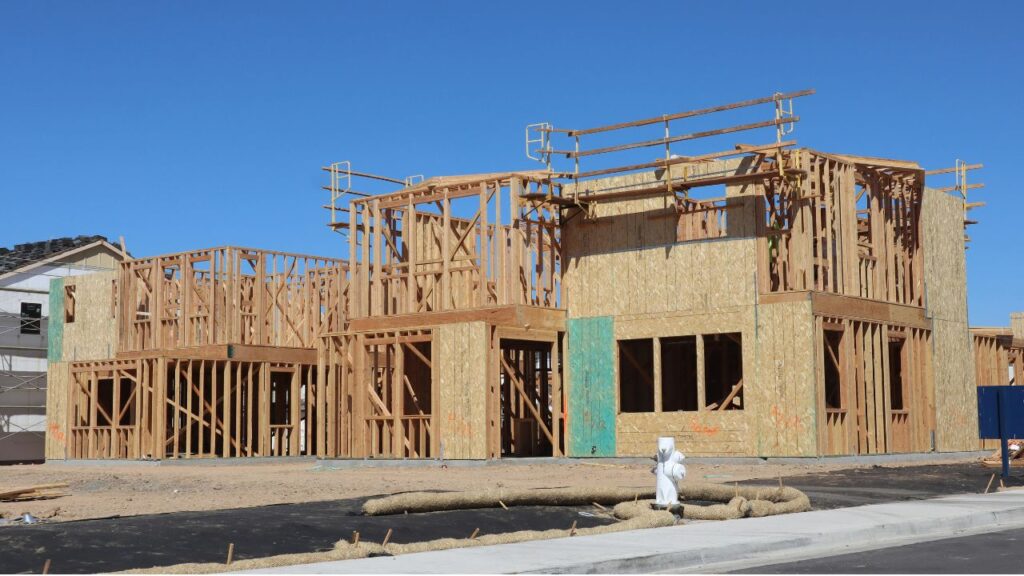
Housing Starts have declined from previous years meaning U.S. homebuilders are not expanding housing supply fast enough to resolve the U.S. housing shortage. According to the U.S. Census Bureau as of February 2025 new privately-owned housing starts were at an annual adjusted rate of 1,501,000 units however this is 2.9% below the February 2024 rate of 1,546,000 units.
Additionally, the privately held housing completions in February 2025 were 1,592,000 units which is 6.2% below the February 2024 rate of 1,698,000 units.
Despite new homes being built to fulfill demand and alleviate housing shortages it is evident in the most recent data that U.S. home builders will not be expanding housing supply to resolve the U.S. housing shortage any time soon.
3. Economic uncertainty and headwinds
U.S. home builders are facing head winds due to the current economic environment of labor shortages, inflation, proposed tariffs and costly mortgages rates.
New homes sales have climbed above pre-pandemic levels to 738,000 units in September 2024 however incentives are needed for buyers to transact given the high rate of existing mortgage rates and the cost of new homes.
The slower sales of new homes have increased the existing supply of homes to 4.3 months as of September 2024 which is the highest since October 2020 but is considered low when compared to historical standards of 5 to 6 months new home supply.
Additionally, the proposed U.S. tariffs will continue to increase costs for new home supply in the short term as many products from abroad are used by home builders for new construction.
Conclusion
The U.S. Housing shortage will most likely remain until economic uncertainty is reduced and interest rates on fixed rate mortgages come down making housing more affordable to new homeowners.
Currently fixed rate mortgage rates are about double what they were during and immediately after the Covid-10 pandemic. Lowering fixed-rate mortgages to previous levels would make housing payments more affordable for new buyers.
Increased home buying would boost new home construction, expanding housing supply.
Existing homeowners would also be less discouraged from selling if mortgage rates were closer aligned.
Lastly, once the economic uncertainty of the proposed tariffs is settled both home buyers and builders will have better clarity on the costs associated with new construction which will most likely lead to an increase in confidence of making a new home purchase.
Let’s wait and see what happens the rest of this year and into 2026.
Please contact me if you would like to discuss further.
Shared online Archive.org Facebook Page Google Hudson Management LinkedIn Page LinkedIn Profile